The short answer
After testing dozens of tools, our #1 pick for most real estate businesses is an all-in-one platform that puts CRM, texting, email, calls, calendars, websites, funnels, AI chat, AI voice and automations in one place. It can be shaped for agents, teams, brokers, investors and commercial firms.
Most other tools only do part of this, so you end up paying for 4 or 5 separate apps. One platform replaces them all and grows with you from solo agent to multi-office brand. That is the core message of this guide, and we back it up with a full comparison of features, pricing factors and alternatives.
We wrote this guide because most 'best CRM for real estate agents 2025' lists are already out of date. Tools have added AI, changed pricing and added new features. This guide looks at the best CRM for real estate and sales tools 2025 2026 buyers should know about, in plain words.
What to look for in a real estate CRM
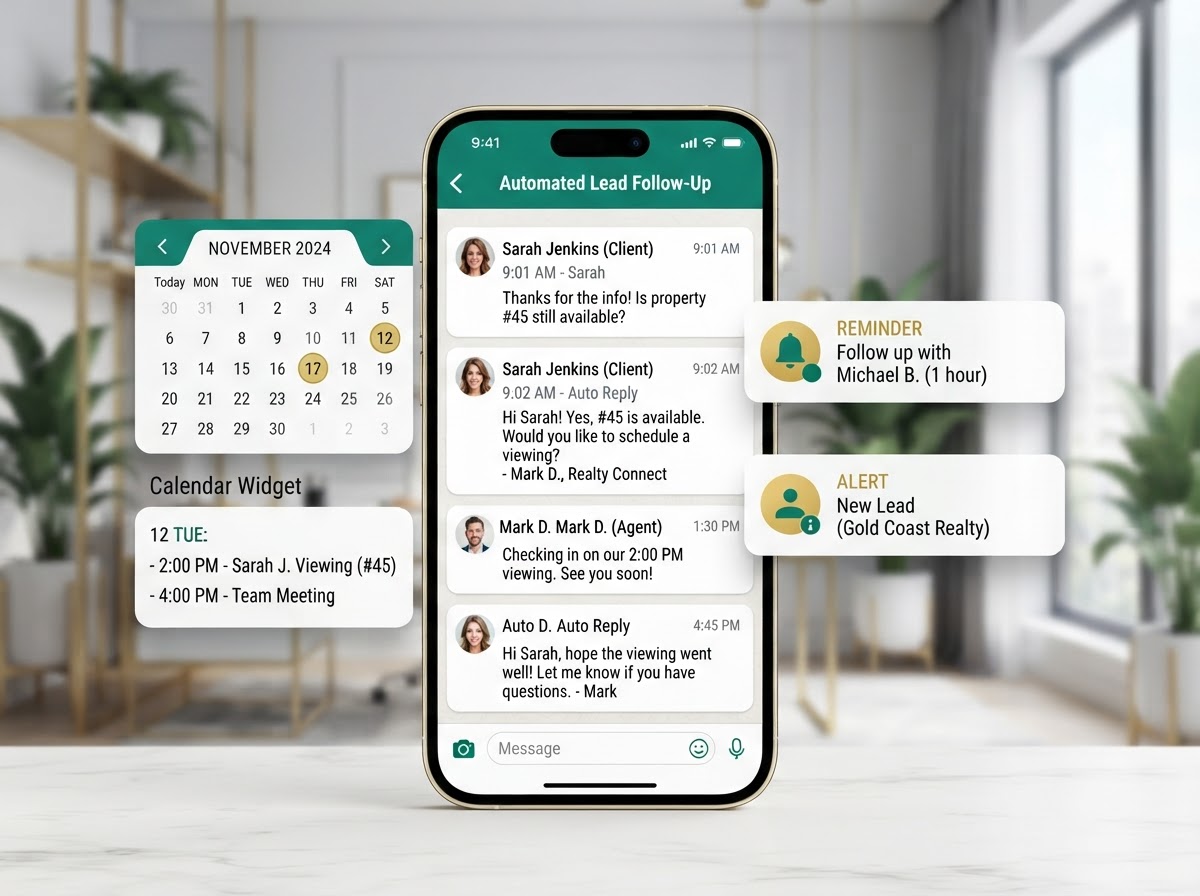
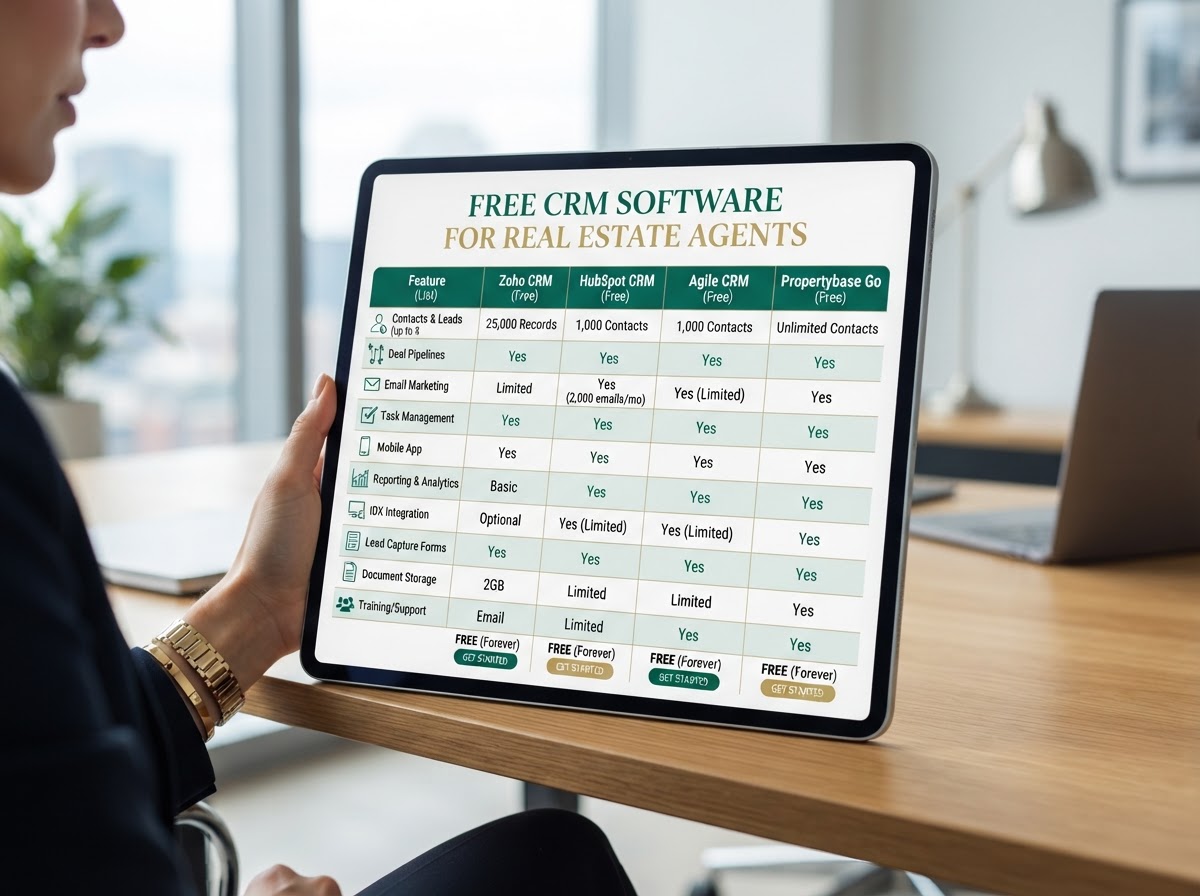
Not all CRMs are built for real estate. The essential features of real estate CRM software you should look for include lead capture, auto follow-up, a pipeline view, MLS or IDX integration, a mobile app, tasks and reminders, built-in calling and texting, lead routing for teams, reports and integrations with Zillow, Realtor.com, Facebook and Google.
Lead capture pulls leads from your website, portals, ads and forms automatically. Auto follow-up sends texts and emails without you doing it by hand. A pipeline view shows every deal by stage so nothing gets stuck. MLS and IDX integration shows live listings and sends matching homes to buyers.
If you work on a team, lead routing matters too. Good real estate lead distribution software sends each lead to the right agent and re-assigns it if the first agent does not respond in time. Reports show where your closings come from, so you spend your money on the right sources.
Why most agents outgrow their first CRM
Many agents start with a simple tool or a spreadsheet. That works for a while. But once you get regular leads, the cracks show. You forget to follow up. You lose track of where each deal stands. You cannot send texts from your CRM. You have no idea which lead source actually closes.
The jump from 50 contacts to 500 contacts is where a spreadsheet stops working. You need reminders, tags, a pipeline and automated follow-up. The best database for real estate agents is clean, easy to search and connected to follow-up. A spreadsheet cannot do any of that.
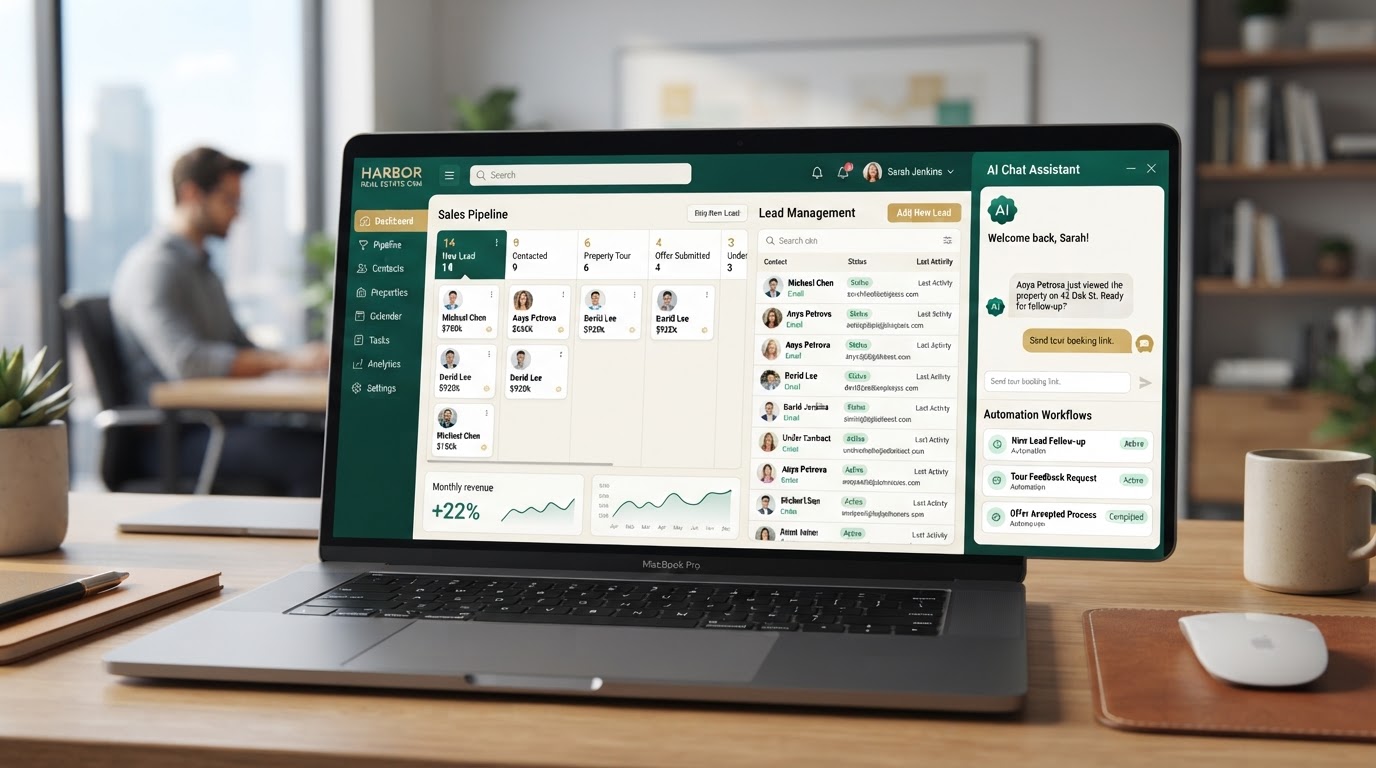
This is why we recommend thinking about your CRM as a system, not just a contact list. A real estate system handles capture, follow-up, pipeline, marketing and reporting. When you pick software for real estate professionals, pick one that can grow with you.
The all-in-one advantage
There are two ways to build your tech stack. All-in-one means one tool does CRM, website, marketing and maybe transactions. Best-of-breed means you pick the best tool for each job and connect them. All-in-one is simpler and often cheaper. Best-of-breed gives more power but costs more and takes more work.
For most solo agents and small teams, all-in-one is easier. That is why we like an all-in-one platform so much. It replaces many tools with one login and one bill. You get CRM, texting, email, calls, calendars, websites, funnels, forms, social posting and reviews in one place.
Larger brokerages can use the same platform as their main CRM and marketing hub, and connect a transaction tool to it. The key is that your CRM and your other tools talk to each other, so deal data flows automatically and agents do not type the same deal twice.
How AI is changing real estate CRMs
An AI real estate CRM uses artificial intelligence to save you time. Common AI features now include AI text replies that answer leads 24/7 and book appointments, AI that writes emails and listing descriptions, lead scoring that shows who is most likely to buy or sell soon, call summaries written for you and AI voice agents that answer missed calls.
AI is helpful, but it still needs a human check. Always review what the AI sends, at least at the start. The best real estate agent SaaS software 2025 2026 features are moving toward more AI, better mobile apps, built-in texting with proper carrier registration and simple drag-and-drop automation builders. NAR research shows buyers still value a fast, responsive agent above almost everything else.
The tools that win in 2026 are the ones that put AI inside the workflow, not as a separate add-on. When a new lead comes in, AI can reply, qualify and book the appointment before you even see it. That is the kind of speed that wins deals.
What to check before you buy
Before you pay for any CRM, check a few things. Does it support your local MLS board? Not every tool covers every area. Does it include texting, or is that an extra cost? Does it charge per contact or per user? How many users can you add? Is there a mobile app that actually works?
Also check the integrations. Will it connect to your lead sources, your transaction tool and your marketing? An open API matters if you want tools to talk to each other. And always read real estate transaction management software reviews and CRM reviews from offices your size before you commit.
Ask for a demo and a free trial. Use real leads for two weeks. The best CRM for real estate is the one you will actually use every day. A tool with every feature in the world is useless if your agents will not log in.
Our verdict
For agents, teams, brokers and investors who want one system that does it all, an all-in-one CRM wins. Off-the-shelf tools make you work their way. The best platform is shaped around your process, with custom pipelines, fields and follow-up plans that match how you sell.
Start a free trial, then have an expert set it up for your team so the follow-up plans, pipelines and automations match exactly how you work. Or book a free call with our team and we will map it out for you. The right setup turns a CRM from a contact list into a system that follows up for you day and night.
Whether you are a new agent or run a large team, this guide will help you find the right software for real estate professionals like you. Take your time, test with real leads, and pick the tool that fits your business today and can grow with you tomorrow.
Frequently asked questions
What is the best CRM for real estate in 2026?
We believe an all-in-one platform is the best CRM for real estate in 2026. It combines CRM, texting, email, websites, AI and automation in one place, and works for agents, teams, brokers, investors and commercial firms.
Do I need MLS integration in my CRM?
If you work with buyers, yes. A real estate CRM with MLS integration shows live listings on your website and sends buyers matching homes. Check that it supports your local board before you buy.
Is an all-in-one CRM better than separate tools?
For most solo agents and small teams, yes. All-in-one is simpler and cheaper. Larger brokerages can use one platform as the main hub and connect a transaction tool to it.
How much does a real estate CRM cost?
Costs vary a lot. Some tools charge per user, some per contact, some include everything. Always check the tool's current pricing before you buy, and factor in the cost of texting and add-ons.
Keywords covered
Ready to put this into practice?
Start a free trial of the platform we build on — then let us set it up for your team.