Two sides of a wholesale CRM
A real estate wholesale CRM must manage two sides of the business. On the seller side, you find motivated sellers, follow up and sign contracts. On the buyer side, you blast new deals to your cash buyer list and track who is interested. Both sides need their own pipeline and their own follow-up plan.
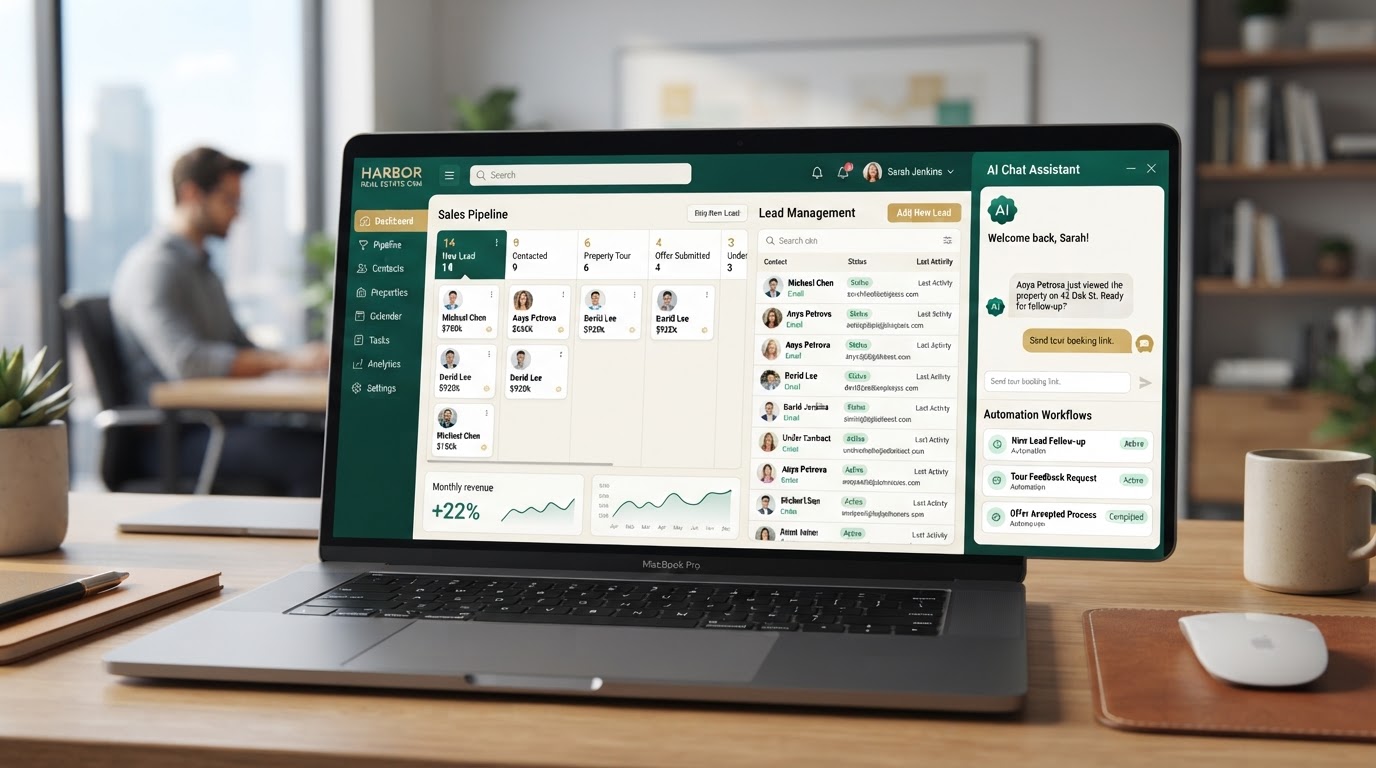
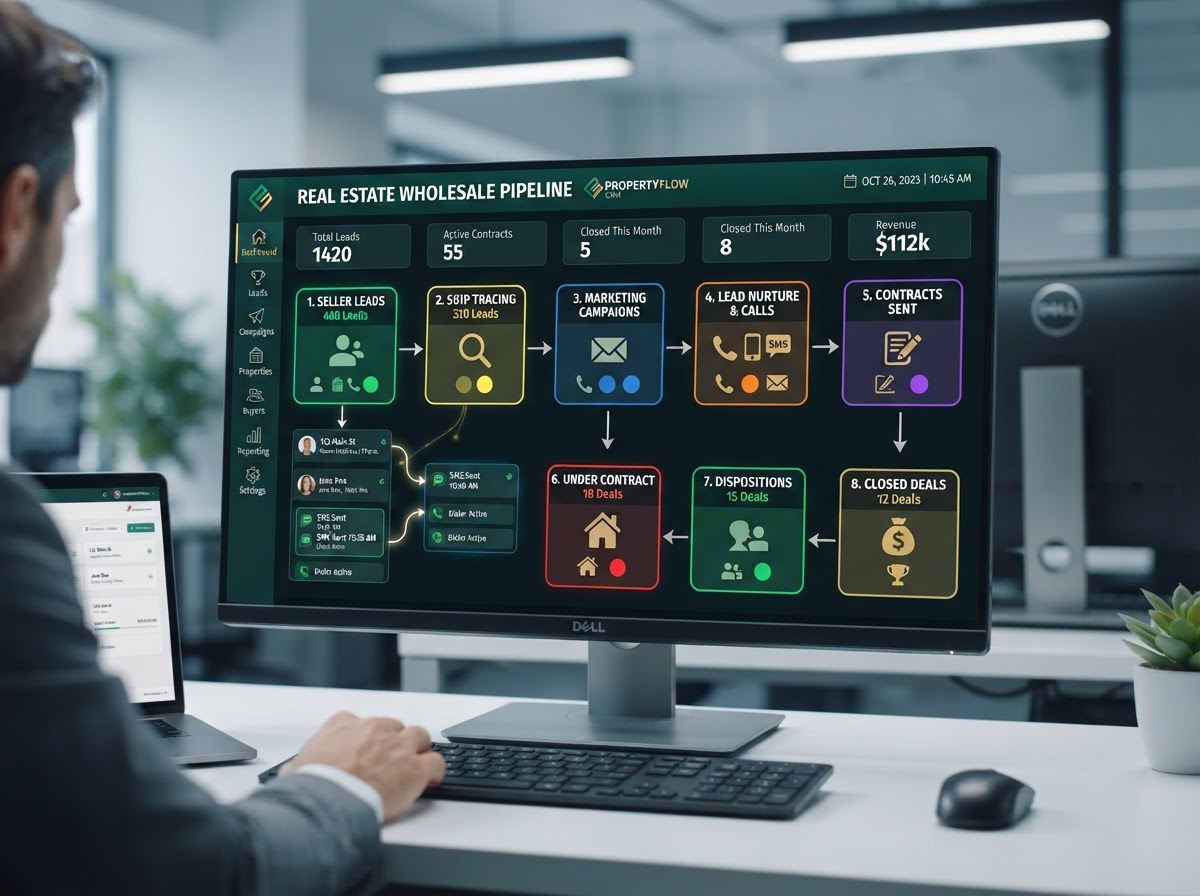
The seller pipeline runs from New to Contacted to Appointment to Offer Made to Under Contract to Closed or Assigned. Each stage has its own tasks. When a seller moves to Appointment, you need a checklist. When they move to Under Contract, you need to start the closing process and blast the deal to your buyers.
The buyer side is simpler but just as important. You need a list of cash buyers with their criteria: areas, price range, property type. When you get a deal under contract, you blast it to the matching buyers and track who responds. A good real estate investing CRM handles both sides in one place.
The seller pipeline
Your seller pipeline is the heart of your wholesaling business. Every motivated seller starts as a lead and moves through stages until you either sign a contract or they say no. Your CRM for real estate investing should track this pipeline with custom fields for property details.
For each seller lead, store the address, condition, ARV (after repair value), repair cost estimate and asking price. These fields help you decide quickly whether a deal is worth pursuing. When you call the seller, log the conversation. When they say 'not right now,' put them on a long-term follow-up plan.
The stages we recommend: New Lead, Contacted, Appointment Set, Offer Made, Under Contract, Closed or Assigned. Each stage can trigger an action. When a deal moves to Under Contract, the CRM can start a closing checklist and blast the deal to your cash buyer list.
Skip tracing and outreach
To find motivated sellers, you need their phone numbers. Skip tracing tools find owner phone numbers from property records. The best prospecting software for real estate investment teams combines skip tracing with a dialer for cold calling and SMS outreach.
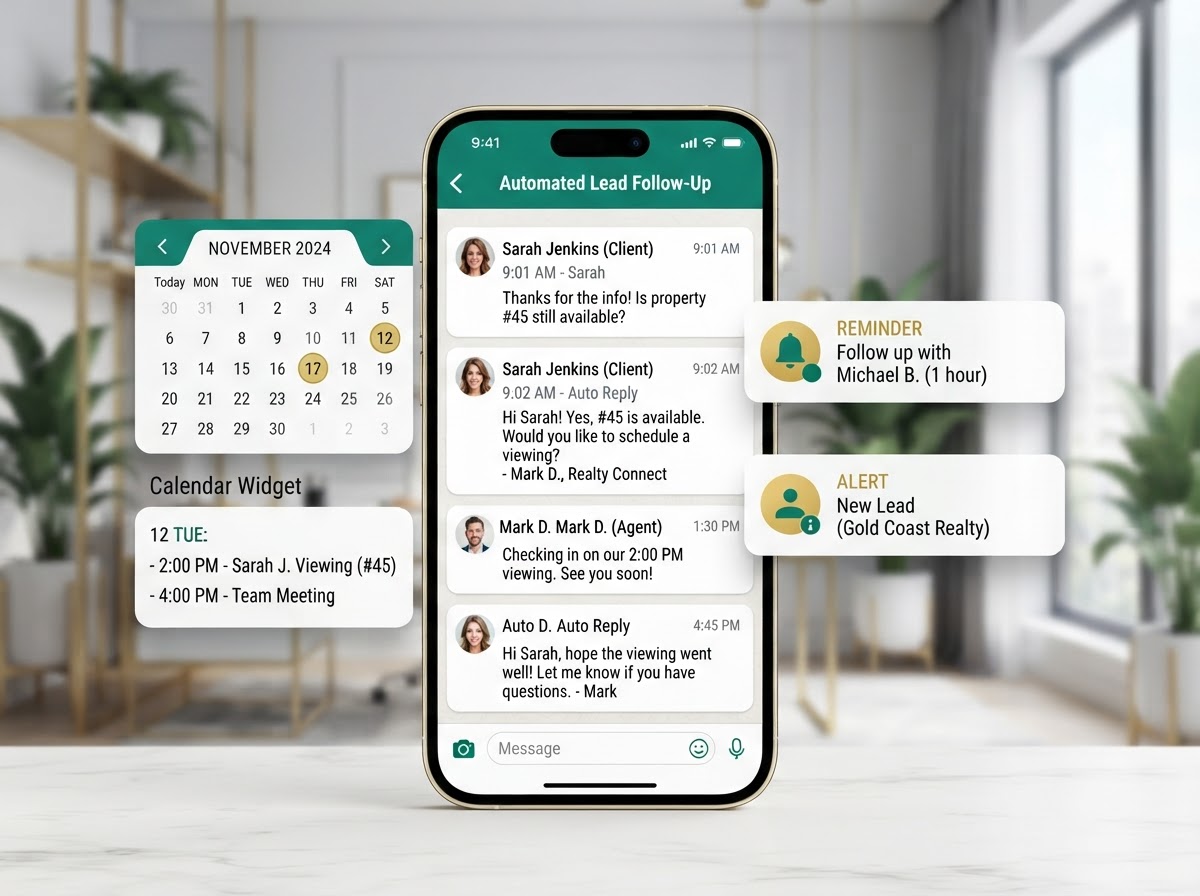
When you skip trace, feed the numbers into your CRM and start an outreach campaign. Call, text and follow up. Follow the law and carrier rules for SMS. Use a registered phone number and do not text people who opt out. A good CRM tracks consent and stops outreach when someone asks.
The money in wholesaling is in the follow-up. Many deals come 6 to 12 months after the first contact. A seller who says 'not right now' in March might be ready in November. Your CRM should keep them on a nurture plan so you are the first person they call when they are ready. Our real estate follow up system guide shows the exact plan.
The cash buyer list
Your cash buyer list is your other asset. These are the investors who buy deals from you. Store each buyer with their criteria: areas, price range, property type and preferred contact method. When you get a deal under contract, you want to blast it to the right buyers fast.
A real estate wholesale CRM should let you tag buyers by criteria and send a deal blast in one click. Track who responds, who asks for more info and who makes an offer. This helps you know which buyers are active and which deals they like.
Over time, your buyer list becomes a competitive advantage. The faster you can blast a deal and get offers, the faster you can assign it and get paid. A CRM that automates the blast and tracks responses saves you hours per deal.
Deal blasts
When you get a property under contract, time matters. You need to blast the deal to your buyer list, get offers and assign the contract before your option period ends. A good real estate investing CRM lets you send a deal blast by text and email in one click.
Include the key details: address, ARV, repair estimate, asking price, photos and the deadline. Send it to buyers whose criteria match. Track who opens, who responds and who makes an offer. The first buyer to respond with a serious offer often gets the deal.
If you have 50 buyers on your list and you blast every deal manually, you waste hours. With an automated blast, you send it in seconds and track every response in one place. That is the difference between doing one deal a month and doing five.
Tracking marketing and cost per deal
Wholesaling is a numbers game. You need to know what each lead source costs and how many deals it produces. Track every lead by source: direct mail, cold calling, SMS, driving for dollars, online ads. Your CRM should show cost per lead and cost per deal for each source.
If direct mail costs $3,000 a month and produces one deal, that is $3,000 per deal. If SMS costs $1,000 a month and produces three deals, that is $333 per deal. Without tracking, you are guessing. With tracking, you double down on what works and cut what does not.
A CRM for real estate investors should make this easy. Tag each lead by source, track the cost, and run a report that shows cost per deal by source. Then you can spend your marketing budget where it produces the most deals.
The setup steps
1. Build a seller lead pipeline with property details: address, condition, ARV, repair cost, asking price. Set the stages from New to Closed or Assigned.
2. Add skip tracing to find owner phone numbers, a dialer for cold calling and SMS outreach. Follow the law and carrier rules for texting.
3. Create a cash buyer list with criteria tags: areas, price range, property type. Set up a one-click deal blast that texts and emails matching buyers.
4. Track marketing source and cost per deal for every lead. Run reports that show which sources produce deals and at what cost.
5. Set automatic follow-up for 'not ready yet' sellers. Many deals come 6 to 12 months after first contact. Keep them on a nurture plan so you are there when they are ready. Need help building it? Book a free call.
Common mistakes
The biggest mistake wholesalers make is not following up long enough. A seller who says no in April might say yes in October. If you delete them from your CRM, you lose that deal. Keep every lead on a nurture plan.
Another mistake is not tracking cost per deal. If you do not know which lead source produces deals, you waste money on marketing that does not work. Track every lead by source and run the numbers.
The last mistake is blasting deals manually. If it takes you two hours to text and email 50 buyers, you are too slow. An automated blast sends it in seconds and tracks every response. Speed wins in wholesaling.
Frequently asked questions
What is a real estate wholesale CRM?
It is a CRM that manages both sides of wholesaling: a seller pipeline to find and follow up with motivated sellers, and a cash buyer list to blast deals to. Both run in one place.
How long does wholesaling follow-up take?
Often 6 to 12 months. Many deals come long after the first contact. Keep 'not ready yet' sellers on a nurture plan so you are there when they are ready.
Do I need skip tracing in my CRM?
Yes. Skip tracing finds owner phone numbers from property records. The best prospecting software combines skip tracing with a dialer and SMS outreach in one workflow.
How do I track cost per deal?
Tag every lead by source in your CRM. Track the monthly cost of each source and how many deals it produces. Run a report that shows cost per deal by source so you spend money where it works.
Keywords covered
Ready to put this into practice?
Start a free trial of the platform we build on — then let us set it up for your team.